

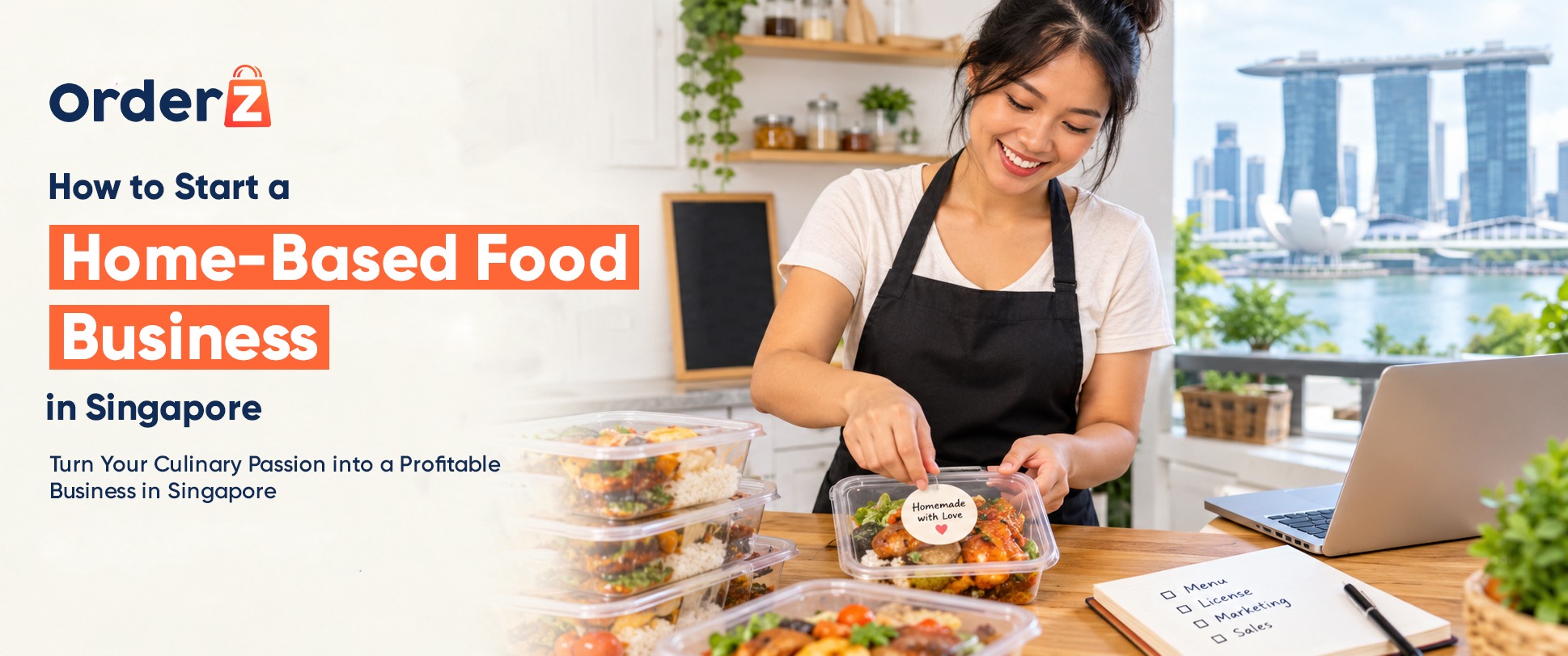
How to Start a Home-Based Food Business in Singapore (2026 Guide)
Starting a home-based food business in Singapore is a practical way to turn your cooking skills into extra income without renting a commercial shop. Home bakers, kueh makers, meal-prep sellers and sambal makers can begin on a small scale and grow their customer base over time.
However, before you start selling, you need to understand Singapore’s food safety rules, housing conditions, business registration requirements and tax obligations.
In this guide, you’ll learn how to start a home-based food business in Singapore, choose the right products, price your food, manage orders and build an online presence.
However, before you start selling, you need to understand Singapore’s food safety rules, housing conditions, business registration requirements and tax obligations.
In this guide, you will learn how to start a home-based food business in Singapore, choose the right products, price your food, manage orders and build an online presence.
Step 1: Choose Products for Your Home-Based Food Business
The first step is choosing what you want to sell. Start with one to three products that you can prepare consistently without overwhelming your kitchen or schedule.
Popular home-based food business ideas in Singapore include:
- Cakes, cookies and brownies
- Traditional snacks and kueh
- Sambal, sauces and spice mixes
- Frozen dumplings and ready-to-cook food
- Meal-prep boxes and packed meals
- Festive food hampers and homemade treats
Choose products that suit your cooking skills, budget and available preparation time. Consider how well the food travels, how long it stays fresh and whether you can prepare it in batches.
Before spending money on equipment, packaging or a website, test your idea. Share samples with potential customers, post food photographs on social media and collect a few pre-orders. Ask for feedback about taste, portion size, packaging and price.
This helps you identify products people are willing to buy before you invest more money.
Step 2: Understand Singapore’s Home-Based Business Rules
Before selling food from home, check the conditions that apply to your property.
For HDB residents, the HDB Home-Based Business Scheme sets out conditions for operating a small business from an HDB flat. Private residential properties are subject to the relevant URA requirements.
In general, your home should remain primarily residential, and your business activities must not cause disturbances to neighbours. Restrictions can apply to signage, storage, customer traffic and who is allowed to work in the home.
Do not assume that every type or scale of food business is permitted simply because you operate from your kitchen.
Read the official guidance before starting:
Check the latest conditions directly with the relevant authority, especially if you plan to increase production or receive frequent customer visits.
Step 3: Follow Food Safety Rules for a Home-Based Food Business
One of the most important things to understand is that operating from home does not remove your responsibility to sell safe food.
Under Singapore’s current guidance, eligible small-scale home-based food businesses generally do not need an SFA food retail licence. However, they must still comply with applicable food safety laws and requirements. Rules may differ if you expand into a licensed food establishment or another regulated business activity.
SFA does not allow home-based food businesses operating under this arrangement to:
- Provide food catering services.
- Sell food to food retailers such as restaurants, cafés, coffee shops and hawker stalls.
- Prepare food at home for sale at temporary fairs.
Always check the latest requirements on the Singapore Food Agency website.
To improve food safety in your home kitchen:
- Wash your hands and clean food preparation surfaces regularly.
- Keep raw ingredients separate from cooked and ready-to-eat food.
- Store ingredients at appropriate temperatures.
- Use ingredients from legal and reliable sources.
- Keep packaging clean and suitable for food.
- Communicate ingredient and allergen information clearly to customers.
If you intend to sell halal food, make sure any claims you make comply with the relevant requirements. Do not describe your food as halal-certified unless you have the appropriate certification.
For more information, visit the MUIS website.
Step 4: Register Your Business When Required
If you operate a business regularly for profit, check whether you need to register it with the Accounting and Corporate Regulatory Authority (ACRA).
A sole proprietorship may be a straightforward option for an individual starting a small business. However, the owner is personally responsible for its business debts and liabilities. A private limited company has a different legal structure and additional compliance requirements.
Choose a structure based on your business plans, costs and responsibilities. Review the latest registration rules and fees through ACRA.
It is also useful to separate your business finances from your personal spending. Keep records of sales, ingredient purchases, packaging costs, delivery expenses and other business transactions from the beginning.
Good record-keeping makes it easier to understand your profit and prepare your tax returns.
Step 5: Calculate Your Food Prices Properly
Setting prices too low can leave you with plenty of orders but very little profit.
Before deciding what to charge, calculate the full cost of producing and delivering each item.
Include:
- Ingredients and food wastage
- Packaging, labels and stickers
- Electricity, gas and water used for production
- Equipment and kitchen supplies
- Delivery or courier charges
- Payment or selling platform fees
- Your preparation, cooking and packing time
For example, if a batch of cookies costs S$20 to make and package, that amount is your starting cost before considering your labour, other overheads and profit.
Divide the total batch cost by the number of saleable portions to estimate your cost per item. Then set a selling price that covers your costs and leaves a reasonable profit.
Compare your prices with similar sellers, but do not compete only on being the cheapest. Consistent quality, attractive packaging, reliable delivery and good customer service can help customers understand the value of your products.
Review your costs regularly because ingredient and delivery prices can change.
Step 6: Set Up Online Ordering and Payments
When you first start, you may be able to manage orders through WhatsApp, Instagram messages or a simple order form.
However, as your customer base grows, manual ordering can become difficult. You may lose messages, miss payment confirmations, forget delivery details or spend too much time answering repeated questions.
An online store can help you display your menu, product photographs, prices and ordering information in one place.
If you want your own ordering website, explore the OrderZ eCommerce Website Builder. It is one option to consider when setting up an online presence for your business. Compare the available features, pricing and suitability for your requirements before choosing a platform.
You can also explore OrderZ website-building options to learn more about creating a business website.
When choosing an ordering system, consider whether it allows you to:
- Display products and prices clearly.
- Provide customers with straightforward ordering instructions.
- Collect the details needed to fulfil each order.
- Communicate pickup and delivery arrangements.
- Track orders and payments efficiently.
Choose payment methods that your customers can use conveniently, and confirm the available payment options before committing to a platform.
If you collect customer names, telephone numbers or delivery addresses, protect that information and use it appropriately.
Step 7: Plan Packaging and Delivery
Your food should reach customers in good condition. Poor packaging or unclear delivery arrangements can affect the customer experience, even when the food tastes excellent.
Consider these fulfilment options:
Self-collection: Customers collect their orders at an agreed time. This can reduce delivery expenses, but make sure collection arrangements comply with the conditions that apply to your home.
Self-delivery: Delivering locally may help you build relationships with customers, but include your travel time and expenses in your pricing.
Third-party delivery: Courier and delivery services can help you reach more customers. Compare costs and check that the service is suitable for your food and delivery requirements.
Use clean, sturdy packaging that suits the product. Test your packaging before offering delivery widely, particularly for cakes, sauces, frozen food and delicate items.
Set clear order deadlines, preparation times, collection windows and delivery fees. For example, you could accept orders until Wednesday for Saturday delivery if that schedule suits your production capacity.
Do not accept more orders than you can safely prepare and deliver.
Step 8: Find Your First Customers
You do not need a large advertising budget to begin promoting your home-based food business. Start by reaching people who are likely to be interested in your products.
Here are some practical ways to find customers:
Promote Your Products on Social Media
Post clear photographs and short videos showing your food, preparation process, packaging and finished orders. Include prices, order deadlines and instructions for placing an order.
Instagram and TikTok can help people discover your products, while WhatsApp can make it easier to communicate with interested customers.
For more ideas, read the OrderZ website and explore resources relevant to building your online presence.
Encourage Recommendations
Ask satisfied customers to recommend your business to friends and family. With their permission, share genuine reviews and customer photographs.
Offer Pre-Orders
Pre-orders can help you estimate demand and plan ingredient purchases. They are particularly useful for festive treats, celebration cakes, traditional snacks and other products prepared in batches.
Build a Consistent Brand
Use a recognisable business name, consistent product photographs and clear packaging. Make it easy for customers to understand what you sell, how much it costs and how to order.
As your business grows, a dedicated website can provide a central place for your menu, product details and ordering information.
Step 9: Understand Taxes and Keep Records
Income earned from your home-based food business may need to be declared in your Singapore income tax return.
Keep accurate records of your sales, expenses, receipts and other relevant business transactions. Do not assume that small or occasional profits are automatically exempt from tax obligations.
Read the IRAS guide to tax obligations for self-employed persons for information relevant to your circumstances.
GST registration requirements depend on the applicable rules and your taxable turnover. The compulsory registration threshold is generally S$1 million in taxable turnover, subject to the relevant registration tests and conditions. Check the latest IRAS GST registration guidance if your business grows.
If you are unsure about registration, deductions or reporting requirements, consult IRAS or a qualified tax professional.
Common Mistakes to Avoid
When starting a home-based food business in Singapore, watch out for these common mistakes:
- Ignoring food safety requirements: Understand the rules before accepting orders.
- Selling to restricted business customers: Check SFA’s conditions before supplying cafés, restaurants or other food retailers.
- Underpricing products: Include ingredients, packaging, overheads and your time in your calculations.
- Accepting too many orders: Set realistic production limits and order deadlines.
- Using unsuitable packaging: Test whether your food stays safe and in good condition during delivery.
- Managing every order manually for too long: Consider a more organised ordering process as sales increase.
- Neglecting records and taxes: Track income and expenses from the beginning.
- Ignoring housing conditions: Make sure your business activities comply with the applicable HDB or URA scheme.
Avoiding these mistakes can help you build a more manageable and sustainable business.
Frequently Asked Questions
Do I need an SFA licence to sell food from home in Singapore?
Eligible home-based food businesses generally do not need an SFA food retail licence under the current arrangement. However, food safety laws and specific restrictions still apply. Check the latest SFA guidance before starting.
Can I sell homemade food to cafés or restaurants?
Home-based food businesses operating under this arrangement are not permitted to sell their food to food retailers such as cafés, restaurants, coffee shops and hawker stalls. Check SFA’s current requirements if you plan to supply other businesses.
Can I run a food business from an HDB flat?
You may be able to operate a small home-based business if you meet the conditions of the HDB Home-Based Business Scheme. Check the official HDB guidance for the latest requirements.
Can I offer catering from my home kitchen?
Home-based food businesses operating under this arrangement are not allowed to provide catering services. If you want to offer catering, check the applicable SFA licensing and premises requirements.
Do I need to register my home-based food business?
If you are carrying on a business regularly for profit, you should check ACRA’s registration requirements and any applicable exemptions. The appropriate registration depends on your circumstances.
How can I accept online orders for homemade food?
You can begin with WhatsApp or social media messages. As orders increase, consider an online store that displays your products, prices and ordering details in one place. Review the OrderZ eCommerce Website Builder as one option.
How much money do I need to start a home-based food business?
The amount depends on your menu, existing kitchen equipment, ingredient costs, packaging, delivery arrangements and any registration or marketing expenses. Starting with a small menu and testing demand can help you control initial spending.
Final Thoughts
Starting a home-based food business in Singapore can be a practical way to turn your cooking skills into income. Begin with a small menu, test demand, understand the relevant food safety and housing requirements, and calculate your prices carefully.
As your customer base grows, improve how you manage orders, payments, packaging and delivery. A suitable online store can help customers discover your products and make ordering more organised.
With careful planning, consistent food quality and good customer service, you can build a business that grows at a manageable pace.
Ready to bring your food business online? Explore the OrderZ eCommerce Website Builder to learn about creating an online store for your business.